Cedral Community Cooperative
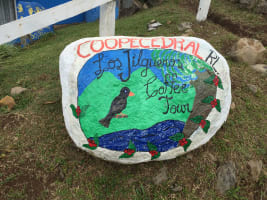
The Coopecedral cooperative is comprised of 36 members. Between guiding, cooking, and offering sleeping arrangements there is plenty for the families to work on with regards to tourism. Froilan Díaz Solano is the president of Coopecedral and is the point person with regards to receiving travelers to Cedral. Cedral offers coffee tours, a comfortable private guesthouse, hikes to waterfalls and indigenous burial grounds, meals with local families, and tours to surrounding villages.
Trip Details
Experience
Style
Price
Location
Connect with Cedral Community Cooperative
Speaks: Spanish
Why Lokal Recommends Cedral Community Cooperative
Background
Community Cooperative started in 2014 | Locally Owned with 100% local staff
A Unique Story
Founded in the 1940’s, Cedral is a small agricultural community in southern Costa Rican which prides itself in its exotic and high-quality coffee and true Costa Rican hospitality. This quaint town is a perfect retreat for those looking to escape their busy city life and just relax. The first inhabitants of Cedral came looking for a new life. When they arrived they discovered all the cedar trees that populated the valley. Thus, Cedral was named after the great cedar trees that towered over them. Before the first inhabitants, a tribe of indigenous people prospered in this region. In order to honor those who came before, there is a tribal cemetery kept in the mountains which archeologists have come to investigate. Like their forefathers, the citizens of Cedral believe in preserving the natural recourses that surround them. A large part of the land here is preserved in order to keep the rainforest from being damaging by agricultural work or development.
Deep Community Connections
Coopecedral distributes profits from the tourism to all members of the cooperative. The cooperative model is a great way to democratize tourism dollars and help the community improve it's level of development.
Active Environmental Stewardship
Tourism has helped the community value fragile environmental resources such as natural springs. A few years ago, these natural springs were unprotected but because of the value that tourism brings the community has decided to invest in protecting the clean water source.
Exceptional Quality and Authenticity
Cedral offers dance and cooking workshops. Tourism has helped them value local tradition, and in turn they share it with the people that visit them.